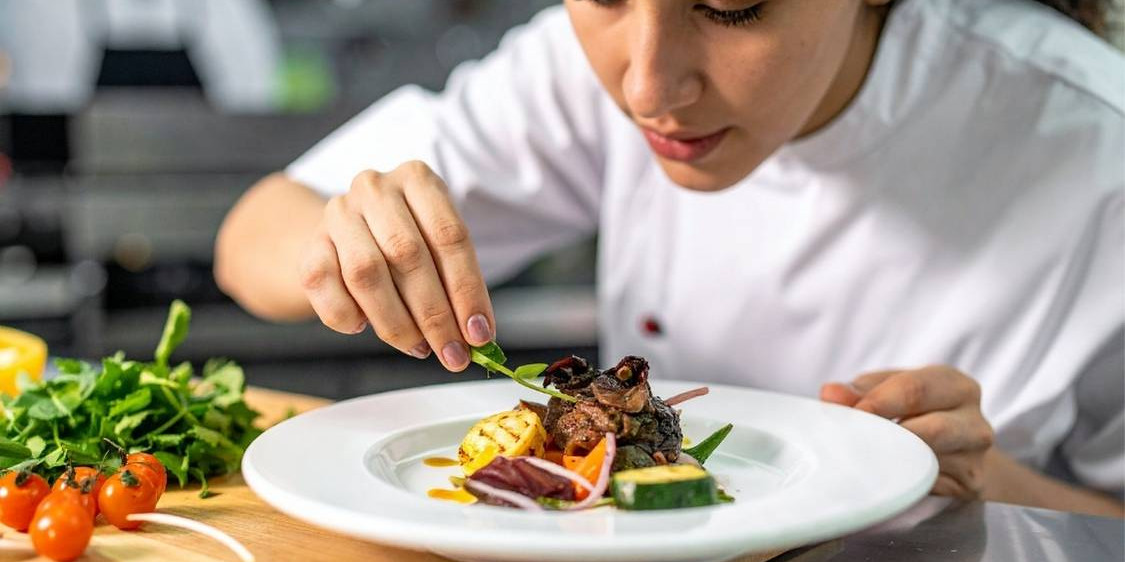
Understanding Craftsmanship in Today’s Fast-Paced Kitchen
In the high-pressure environment of a modern professional kitchen, the word “craftsmanship” is often tossed around as a marketing buzzword. However, for those behind the line, it represents something far more foundational. Craftsmanship isn’t just about creating a beautiful plate for social media; it is the intersection of disciplined technique, deep respect for ingredients, and the consistent execution of small tasks. At Alta Restaurant Group, we believe that redefining hospitality starts with these quiet, intentional actions that happen long before a guest takes their first bite.
Mastering these kitchen fundamentals is the first step toward redefining hospitality and ensuring that every plate served contributes to a lasting positive impression.
In a world of pre-packaged solutions and rapid turnover, returning to the roots of the craft can actually make a kitchen more efficient and a business more sustainable. This guide explores the practical application of craftsmanship and how you can foster it within your own culinary team.
The Technical Core: Mastering the Basics
True craftsmanship begins with mastery over the tools of the trade. In a professional kitchen, this starts with knife skills and heat management. While modern technology has introduced incredible tools like immersion circulators and combi-ovens, they are supplements to—not replacements for—fundamental skills.
The Daily Discipline of Mise en Place
Mise en place, or “everything in its place,” is the ultimate expression of craftsmanship. It is the practical bridge between a chaotic service and a smooth one. A craftsman approaches their station with a sense of order. This means more than just chopping onions; it means ensuring every container is labeled, every tool is sharpened, and every ingredient is prepped to the exact specification required for the dish. When a chef takes pride in the uniformity of their dice, they are practicing craftsmanship.
Heat Control and Intuition
A craftsman understands how a protein reacts to a cast-iron skillet versus a grill. Developing this intuition takes time and repetition. Encourage your team to move beyond timers and probes occasionally to feel the resistance of the meat or listen to the sound of the sear. This sensory connection to the cooking process is what separates a technician from a craftsman.
Ingredient Integrity: Respecting the Source
A significant part of modern craftsmanship is the relationship between the chef and the producer. You cannot have excellence in the kitchen without excellence in the supply chain. Practical craftsmanship involves knowing where your food comes from and treating it with the respect it deserves to minimize waste.
- Whole-Product Utilization: A skilled chef looks at a vegetable or a cut of meat and sees multiple uses. Craftsmanship is turning carrot tops into pesto or using fish bones for a deep, clarified fumet.
- Seasonality: Working with the seasons isn’t just a trend; it’s a practical way to ensure you are working with ingredients at their peak flavor and lowest cost.
- Supplier Relationships: Building a rapport with local farmers and fishmongers allows you to source better products and understand the labor that went into producing them.
Building a Culture of Mentorship and Excellence
Craftsmanship is not a solo endeavor; it is a legacy passed down through mentorship. In the modern kitchen, the “tough love” approach of the past is being replaced by a more practical, instructional style of leadership. If you want a kitchen full of craftsmen, you must be willing to teach.
Leading by Example
As a kitchen leader, your team will mirror your standards. If you walk past a messy station without comment, you have set a new, lower standard. Craftsmanship requires a constant, gentle steering toward excellence. Show them the correct way to zest a lemon or clean a tenderloin, and explain *why* it matters. When the team understands the “why,” they become invested in the “how.”
Creating Room for Growth
Allow your cooks the space to practice new techniques during slower periods. Whether it’s practicing a difficult sauce or learning how to break down a whole hog, providing these opportunities builds loyalty and elevates the overall skill level of your kitchen. This investment in human capital is the most practical way to ensure long-term hospitality excellence.
5 Actionable Steps to Improve Kitchen Craftsmanship
Ready to elevate your kitchen’s standards? Here are five practical steps you can implement today:
- The 10-Minute Sharp: Dedicate the first 10 minutes of the shift to tool maintenance. A sharp knife is safer, more efficient, and a hallmark of a professional.
- Standardize Your Prep Sheets: Use detailed prep sheets that include visual cues or measurements. Consistency is the brother of craftsmanship.
- Conduct Taste-Tests: Before every service, have the team taste every component of their station. This builds their palate and ensures quality control.
- Implement a “Zero-Waste” Challenge: Once a week, challenge a sous chef to create a special using only off-cuts or surplus produce. This encourages creative problem-solving.
- Cross-Train Regularly: Move your team members between stations. A craftsman should understand how the pastry station impacts the hot line and vice versa.
The Business Case for the Craft
While the word might sound artistic, the results of craftsmanship are intensely practical. Higher skill levels lead to less food waste. Better technique leads to faster ticket times and higher consistency. Most importantly, a culture of craftsmanship leads to higher employee retention because professionals want to work in environments where their skills are valued and developed.
At Alta Restaurant Group, we see craftsmanship as the heartbeat of culinary innovation. It is the foundation upon which memorable guest experiences are built. By focusing on the small, daily habits of excellence, you transform a standard kitchen into a workshop of hospitality.