

s look at the editorial example again: "The Quiet Shift Toward Multi Use Interiors".
The Quiet Shift Toward Multi-Use Interiors
In the world of hospitality, we have long been accustomed to the rigid definitions of space. A dining room was for dinner; a bar was for drinks; a lobby was for waiting. However, as we observe the evolving landscape of our cities and neighborhoods, a subtle yet profound transformation is occurring. There is a quiet shift toward multi-use interiors—a movement that prioritizes fluidity over form and connection over convention. At Alta Restaurant Group, we find ourselves reflecting on what this means for the future of culinary innovation and the very essence of hospitality.
This shift is not merely a trend born of necessity or a reaction to the changing work-from-home culture. It is an introspective response to a deeper human desire: the need for spaces that breathe with us throughout the day. When we look at the architecture of a restaurant today, we are no longer just looking at a place to eat; we are looking at a canvas for human experience.
Beyond the Table: A Reimagining of Purpose
For decades, the success of a restaurant was measured by its 'turns'—how many guests could be fed within a specific window of time. While efficiency remains vital, the modern guest is seeking something more contemplative. They are looking for a sanctuary that accommodates the rhythm of their lives. A corner booth might serve as a temporary office at 10:00 AM, a collaborative meeting space at 2:00 PM, and the backdrop for a romantic anniversary dinner at 8:00 PM.
This evolution requires us to rethink the traditional boundaries of design. It asks us to consider how a space feels when it is half-empty and how it resonates when it is full. The quiet shift is about creating environments that do not feel hollow during the transitions, but rather feel expectant. It is about the 'liminal' spaces—the moments in between—and how we can honor them through thoughtful design.
The Fluidity of Modern Hospitality
To achieve this versatility, designers and restaurateurs are moving away from fixed layouts toward more modular, intuitive environments. But the shift is more than just moving furniture; it is about an atmospheric intelligence. It involves a nuanced understanding of how light, sound, and texture influence our behavior and our sense of belonging.
- Adaptive Lighting: Moving from the bright, energizing glow of morning productivity to the amber, intimate hues of evening connection.
- Zonal Transitions: Using acoustic treatments and greenery to create 'rooms within rooms' without the use of restrictive walls.
- Tactile Diversity: Selecting materials that feel professional enough for a morning meeting yet warm enough for a midnight nightcap.
- Integrated Technology: Providing the tools for modern connectivity while ensuring they remain invisible during social hours.
The Emotional Resonance of Versatility
Why does this shift feel so significant now? Perhaps it is because our lives have become increasingly fragmented. In a world of digital noise, the physical spaces we inhabit must work harder to ground us. A multi-use interior reflects the complexity of the modern individual. We are no longer just 'customers'; we are creators, thinkers, and companions, often all at once.
When a restaurant embraces this multi-use philosophy, it sends a message of radical hospitality. It says: 'You are welcome here, regardless of your purpose.' This inclusivity fosters a sense of ownership among the community. The restaurant becomes a 'third place'—not home, not work, but a vital intersection where the two meet. It is here, in the blending of functions, that the most authentic hospitality is found.
Designing for the 'In-Between' Moments
Consider the quiet hum of a restaurant in the mid-afternoon. In the past, this was 'dead time.' In the new paradigm, this is a golden hour of possibility. By designing for these moments, we acknowledge that the value of a space isn't just in its peak capacity, but in its consistent presence in the lives of our guests. We are building environments that support the quiet contemplation of a solo diner just as much as the boisterous celebration of a large group.
Sustainability and the Longevity of Design
From a philosophical standpoint, the shift toward multi-use interiors is also a commitment to sustainability. By maximizing the utility of a single physical footprint, we reduce the need for excessive construction and resource consumption. A space that can adapt to different needs is a space that will endure. It avoids the obsolescence of hyper-specific trends, opting instead for a timeless flexibility.
At Alta Restaurant Group, we believe that culinary innovation extends beyond the plate. It lives in the walls that surround us and the chairs that support us. As we look forward, we see a landscape where the lines between dining, working, and living continue to soften. This is not a loss of identity for the restaurant, but an expansion of its soul.
Conclusion: The Future is Adaptable
The quiet shift toward multi-use interiors is a reminder that hospitality is, at its core, an act of service to the human spirit. As our needs evolve, so too must our spaces. By embracing fluidity and reflection in our designs, we create more than just restaurants; we create hubs of human connection that stand the test of time. The future of hospitality is not found in rigid definitions, but in the graceful ability to be whatever our guests need us to be, at any given moment of their day.

The Deeper Meaning of Craftsmanship in the Modern Professional Kitchen
Understanding Craftsmanship in Today’s Fast-Paced Kitchen
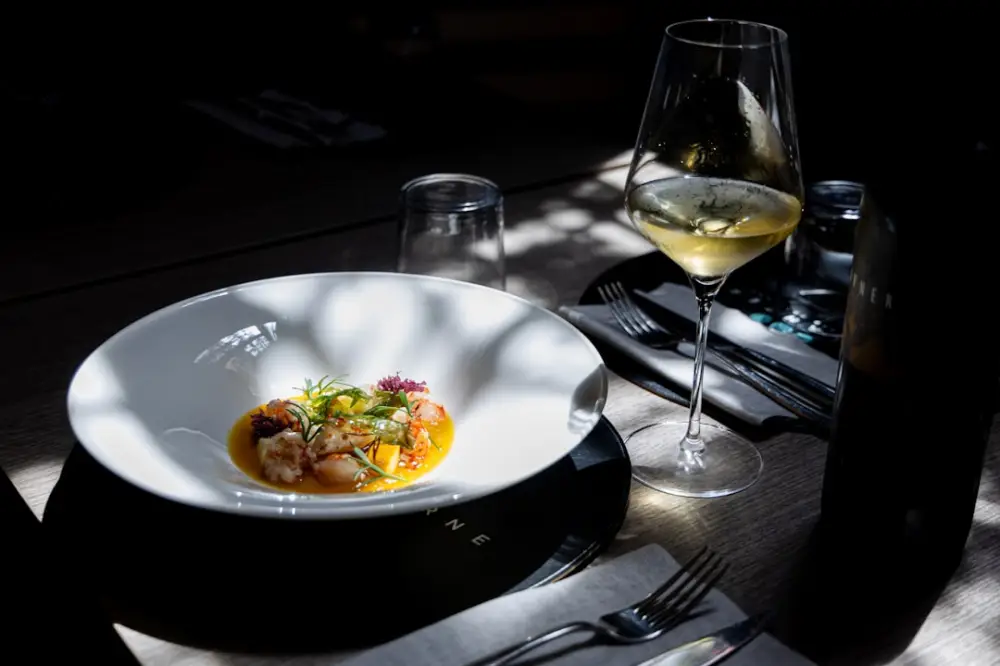
In the high-pressure environment of a modern professional kitchen, the word "craftsmanship" is often tossed around as a marketing buzzword. However, for those behind the line, it represents something far more foundational. Craftsmanship isn’t just about creating a beautiful plate for social media; it is the intersection of disciplined technique, deep respect for ingredients, and the consistent execution of small tasks. At Alta Restaurant Group, we believe that redefining hospitality starts with these quiet, intentional actions that happen long before a guest takes their first bite.
Mastering these kitchen fundamentals is the first step toward redefining hospitality and ensuring that every plate served contributes to a lasting positive impression.
In a world of pre-packaged solutions and rapid turnover, returning to the roots of the craft can actually make a kitchen more efficient and a business more sustainable. This guide explores the practical application of craftsmanship and how you can foster it within your own culinary team.
The Technical Core: Mastering the Basics
True craftsmanship begins with mastery over the tools of the trade. In a professional kitchen, this starts with knife skills and heat management. While modern technology has introduced incredible tools like immersion circulators and combi-ovens, they are supplements to—not replacements for—fundamental skills.
The Daily Discipline of Mise en Place
Mise en place, or "everything in its place," is the ultimate expression of craftsmanship. It is the practical bridge between a chaotic service and a smooth one. A craftsman approaches their station with a sense of order. This means more than just chopping onions; it means ensuring every container is labeled, every tool is sharpened, and every ingredient is prepped to the exact specification required for the dish. When a chef takes pride in the uniformity of their dice, they are practicing craftsmanship.
Heat Control and Intuition
A craftsman understands how a protein reacts to a cast-iron skillet versus a grill. Developing this intuition takes time and repetition. Encourage your team to move beyond timers and probes occasionally to feel the resistance of the meat or listen to the sound of the sear. This sensory connection to the cooking process is what separates a technician from a craftsman.
Ingredient Integrity: Respecting the Source
A significant part of modern craftsmanship is the relationship between the chef and the producer. You cannot have excellence in the kitchen without excellence in the supply chain. Practical craftsmanship involves knowing where your food comes from and treating it with the respect it deserves to minimize waste.
- Whole-Product Utilization: A skilled chef looks at a vegetable or a cut of meat and sees multiple uses. Craftsmanship is turning carrot tops into pesto or using fish bones for a deep, clarified fumet.
- Seasonality: Working with the seasons isn't just a trend; it's a practical way to ensure you are working with ingredients at their peak flavor and lowest cost.
- Supplier Relationships: Building a rapport with local farmers and fishmongers allows you to source better products and understand the labor that went into producing them.
Building a Culture of Mentorship and Excellence
Craftsmanship is not a solo endeavor; it is a legacy passed down through mentorship. In the modern kitchen, the "tough love" approach of the past is being replaced by a more practical, instructional style of leadership. If you want a kitchen full of craftsmen, you must be willing to teach.
Leading by Example
As a kitchen leader, your team will mirror your standards. If you walk past a messy station without comment, you have set a new, lower standard. Craftsmanship requires a constant, gentle steering toward excellence. Show them the correct way to zest a lemon or clean a tenderloin, and explain *why* it matters. When the team understands the "why," they become invested in the "how."
Creating Room for Growth
Allow your cooks the space to practice new techniques during slower periods. Whether it’s practicing a difficult sauce or learning how to break down a whole hog, providing these opportunities builds loyalty and elevates the overall skill level of your kitchen. This investment in human capital is the most practical way to ensure long-term hospitality excellence.
5 Actionable Steps to Improve Kitchen Craftsmanship
Ready to elevate your kitchen's standards? Here are five practical steps you can implement today:
- The 10-Minute Sharp: Dedicate the first 10 minutes of the shift to tool maintenance. A sharp knife is safer, more efficient, and a hallmark of a professional.
- Standardize Your Prep Sheets: Use detailed prep sheets that include visual cues or measurements. Consistency is the brother of craftsmanship.
- Conduct Taste-Tests: Before every service, have the team taste every component of their station. This builds their palate and ensures quality control.
- Implement a "Zero-Waste" Challenge: Once a week, challenge a sous chef to create a special using only off-cuts or surplus produce. This encourages creative problem-solving.
- Cross-Train Regularly: Move your team members between stations. A craftsman should understand how the pastry station impacts the hot line and vice versa.
The Business Case for the Craft
While the word might sound artistic, the results of craftsmanship are intensely practical. Higher skill levels lead to less food waste. Better technique leads to faster ticket times and higher consistency. Most importantly, a culture of craftsmanship leads to higher employee retention because professionals want to work in environments where their skills are valued and developed.
At Alta Restaurant Group, we see craftsmanship as the heartbeat of culinary innovation. It is the foundation upon which memorable guest experiences are built. By focusing on the small, daily habits of excellence, you transform a standard kitchen into a workshop of hospitality.
Sustainable Dining: The Future of Responsible Restaurant Operations
The future of dining isn’t just about what’s on the plate — it’s about how it gets there. As global awareness around environmental and ethical responsibility grows, the restaurant industry is evolving toward a new standard: sustainable dining.
For restaurants aiming to thrive long-term, adopting responsible practices is no longer optional — it’s a business imperative. Sustainability today defines credibility, competitiveness, and customer trust in the world of hospitality.
1. Redefining the Modern Restaurant: Beyond Taste to Transparency
Today’s diners want more than flavor; they want values on the menu. They’re asking questions about ingredient sourcing, waste management, and carbon impact. Restaurants that embrace transparency — openly communicating where food comes from and how it’s prepared — create a stronger emotional bond with guests.
Sustainable operations signal integrity. When customers feel their meal contributes to a larger good, they’re not just eating — they’re participating in a movement.
2. Local Sourcing: The Cornerstone of Sustainable Cuisine
One of the most effective ways to reduce environmental impact is through local and seasonal sourcing. Partnering with regional farmers, fisheries, and producers shortens supply chains, cuts transportation emissions, and ensures fresher, higher-quality ingredients.
Local partnerships also strengthen communities — supporting local economies and showcasing regional biodiversity. Restaurants that highlight local origins on their menus tell a story that guests can connect with and trust.
3. Waste Reduction: Efficiency as an Ethical Practice
Food waste is one of the hospitality industry’s most pressing issues. Forward-thinking restaurants are addressing this challenge by integrating smart inventory systems, composting programs, and upcycled menu innovations.
For example, turning vegetable trimmings into broths or repurposing bread into desserts not only cuts costs but reflects a culture of care and creativity. Sustainability is efficiency with purpose — every decision matters.
4. Energy and Water Efficiency: The Invisible Ingredients of Responsibility
Sustainability extends far beyond food. Restaurants consume significant amounts of energy and water daily — from lighting and refrigeration to dishwashing and HVAC systems.
Transitioning to LED lighting, energy-efficient kitchen equipment, and water-saving technologies makes a measurable impact on both environmental footprint and operational costs. Investing in green infrastructure is not just responsible — it’s profitable in the long run.
5. Ethical Workforce Practices: Sustainability Starts with People
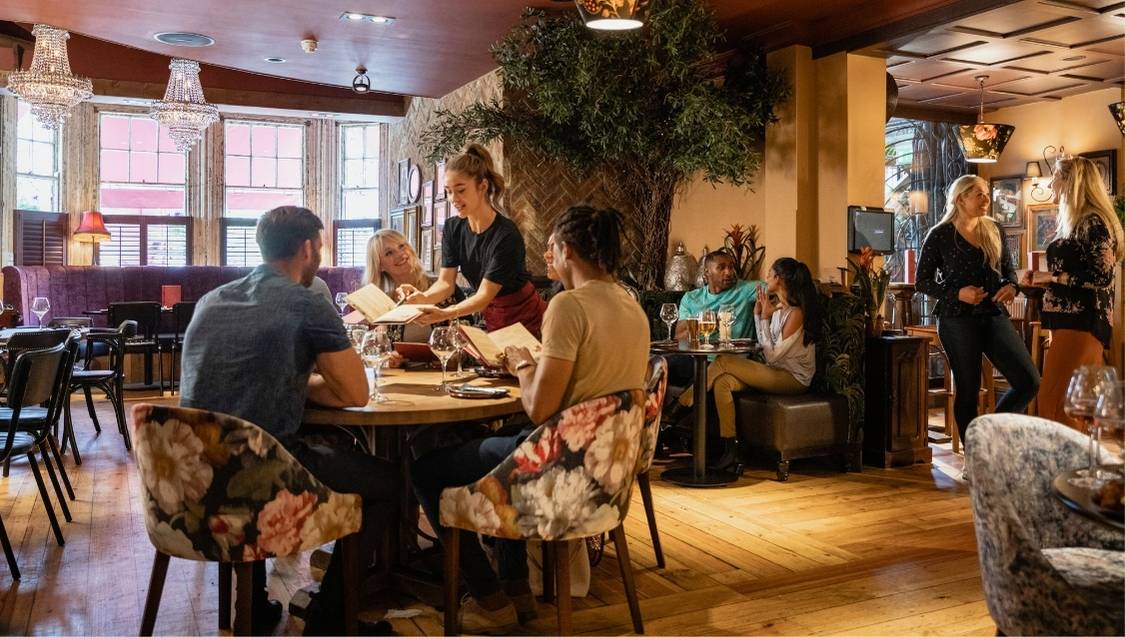
True responsibility isn’t just environmental — it’s social. A sustainable restaurant values the well-being of its team as much as its guests. Fair wages, growth opportunities, and inclusive workplaces form the human foundation of long-term success.
When employees feel respected and empowered, service quality improves, and the brand’s ethical commitments extend naturally to every guest interaction.
6. Technology and Innovation: Driving the Green Transition
Digital tools now enable restaurants to measure, monitor, and minimize their environmental impact with unprecedented precision. From carbon tracking platforms to AI-driven supply chain optimization, technology is making sustainability measurable — and manageable.
Adopting digital systems not only improves accountability but also allows brands to communicate their efforts transparently to increasingly eco-conscious consumers.
7. Building a Brand Around Responsibility
Sustainability is more than a trend — it’s an identity. A brand that embeds environmental and ethical responsibility into its DNA stands apart in a crowded market.
Restaurants leading the sustainability movement don’t just serve meals; they serve meaning. By aligning mission, operations, and communication, they build trust that transcends transactions and turns diners into advocates.
Conclusion: The Future Belongs to the Responsible
The next generation of restaurant success will be measured not only in revenue but in impact. Sustainable dining represents the intersection of ethics, innovation, and profitability — a model that respects both people and the planet.
Restaurants that embrace this mindset today are not only future-proofing their businesses; they’re shaping a more conscious culinary world.

From Concept to Kitchen: Building a Restaurant Brand That Lasts
In today’s fast-changing dining scene, success in the restaurant industry isn’t just about great food — it’s about creating a brand that resonates, adapts, and endures. The most successful restaurants are not built overnight; they are carefully crafted from concept to kitchen, with every decision reflecting a clear vision and purpose.
A lasting restaurant brand captures more than just attention — it captures trust, emotion, and loyalty. Here’s how the best in hospitality bring their ideas to life.
1. Start with Purpose: Define What You Stand For
Every great restaurant begins with a story. Before the first menu draft or logo sketch, the question must be: Why does this brand exist?
A strong purpose gives direction to every creative and operational choice. Whether it’s championing sustainability, celebrating local ingredients, or reimagining global cuisine, clarity of purpose ensures consistency — from marketing campaigns to the way guests are greeted at the door.
Your purpose becomes your promise. And in an industry built on trust, that’s everything.
2. Concept Development: Turning Vision into Experience
Once the purpose is defined, the next step is building a concept that communicates it clearly. This includes your cuisine style, interior design, menu tone, and service philosophy. Every touchpoint should align with your brand’s personality.
For example:
- A rustic, farm-to-table restaurant might feature hand-crafted menus and organic textures.
- A modern fine dining concept could focus on minimalism, precision, and elegant restraint.
The key is cohesion — the concept should feel intentional, immersive, and true to your brand’s DNA.
3. Design That Speaks Without Words
In hospitality, design is communication. The colors, lighting, layout, and even music convey your restaurant’s identity before a single plate arrives.
Good design doesn’t just please the eye; it sets emotional expectations. A warm, inviting space signals comfort and familiarity. A sleek, modern space promises innovation and sophistication. When guests feel aligned with your environment, they connect with your brand on a deeper, subconscious level.
4. Culinary Consistency: The Heartbeat of the Brand
The kitchen is where the brand comes alive. Consistency in quality, presentation, and creativity builds credibility. A great restaurant doesn’t just impress — it reassures.
The hallmark of longevity is the ability to maintain excellence while evolving. Regular menu innovation, local sourcing, and feedback-driven refinement keep the experience fresh without losing identity. When the food reflects the story behind the brand, it becomes more than a meal — it becomes memory.
5. Culture and Team: Your Living Brand Ambassadors
A brand’s values are only as strong as the people who embody them. Training staff to reflect your brand’s tone — whether warm and conversational or polished and refined — ensures guests experience consistency at every interaction.
A team that feels valued and connected to the brand’s purpose naturally delivers authentic, human-centered hospitality. In turn, this creates emotional loyalty that no marketing campaign can replicate.
6. Marketing That Builds Legacy, Not Just Buzz
Short-term hype may fill tables, but strategic branding builds sustainability. Authentic storytelling across digital platforms — from social media to email newsletters — reinforces identity and connects with audiences who share your values.
Invest in photography, thoughtful copy, and a brand voice that feels human. Remember, people don’t just buy food — they buy meaning. They choose experiences that reflect who they are.
7. Evolve Without Losing Your Core
The restaurant industry rewards adaptability. Trends shift, tastes evolve, and economies fluctuate — but brands built on clarity, consistency, and emotional connection stand the test of time.
Refreshing the menu, updating interiors, and introducing new digital experiences should always circle back to the original purpose. Evolution strengthens legacy when done with intention.
Conclusion: From Vision to Longevity
A restaurant brand that lasts isn’t just built — it’s nurtured. From concept to kitchen, it’s the alignment of story, space, food, and people that creates enduring impact. When every element serves the same vision, your brand doesn’t just survive in a crowded market — it becomes a timeless part of it.

Redefining Hospitality: What Makes a Memorable Guest Experience
In an industry where taste and presentation are only part of the equation, hospitality has evolved into a holistic art form. Today’s guests expect more than excellent food and service — they seek emotional connection, authenticity, and a sense of belonging. To stay competitive in the modern dining landscape, restaurants must go beyond serving meals; they must craft experiences that linger long after the last course is served.
This is the essence of modern hospitality — where every touchpoint, from ambiance to after-service engagement, is designed with intention and care.
1. Hospitality as an Emotion, Not a Transaction
At the heart of a memorable guest experience lies genuine human connection. The best restaurants don’t simply “serve” guests; they make them feel seen, valued, and understood.
Every interaction — the greeting at the door, the pacing of a meal, the tone of a thank-you — contributes to an emotional impression that defines the visit. True hospitality is not about perfection; it’s about presence, empathy, and personalization.
2. The Power of Personalization in Guest Experience
Technology has revolutionized how restaurants understand their customers. Through data-driven insights, reservation systems, and loyalty programs, restaurants can now anticipate guest preferences with remarkable precision.
From remembering a regular’s favorite table to customizing wine recommendations based on past orders, personalization turns an ordinary dinner into an experience that feels curated just for them.
This level of detail transforms dining into a relationship — one built on trust, familiarity, and care.
3. Sensory Storytelling: Crafting Moments Beyond the Plate
Memorable dining isn’t just about what’s on the plate; it’s about how the entire environment tells a story.
Lighting, texture, sound, and scent all play subtle yet powerful roles in shaping the guest’s perception. A carefully designed interior paired with intentional service flow creates a multisensory narrative that complements the cuisine.
Every restaurant should ask: What story are we telling — and how do our guests feel inside it?
4. Training for Excellence: The People Behind the Experience
Hospitality excellence begins with the team. Empowering staff with the right training, emotional intelligence, and situational awareness ensures that service feels effortless yet intentional.
When employees understand that they are not just serving food but creating moments, they elevate the guest experience naturally. The most memorable service is the one that feels personal, not procedural.

5. Innovation Meets Warmth: The New Era of Hospitality
The future of hospitality lies in balancing innovation with human warmth. Contactless ordering, mobile reservations, and AI-assisted guest management can streamline efficiency, but technology should never replace the human touch — it should enhance it.
Restaurants that blend operational intelligence with genuine care set new standards for modern dining excellence. Every detail, from how guests book their tables to how they are thanked afterward, contributes to a cohesive, emotionally intelligent brand experience.
6. Building Brand Loyalty Through Memorable Experiences
A guest’s memory is the most powerful form of marketing. When diners leave with a lasting impression, they become ambassadors — sharing their experiences online and through word of mouth.
Restaurants that consistently deliver empathy, excellence, and emotional resonance don’t just earn customers; they build communities. And in today’s competitive landscape, community is the true currency of hospitality success.
Conclusion: The New Definition of Hospitality
Memorable hospitality is no longer about luxury or exclusivity — it’s about meaningful connection. Whether through personalized service, thoughtful design, or the warmth of human interaction, restaurants that focus on emotional value will continue to lead the evolution of dining.
In redefining hospitality, we rediscover what guests have always wanted: not just a meal, but a moment that feels like home.